
You have requested to switch to our Cotswold Collections IE store.
Do you want to continue?
Broderie Anglaise: The Beauty of Pierced Embroidery
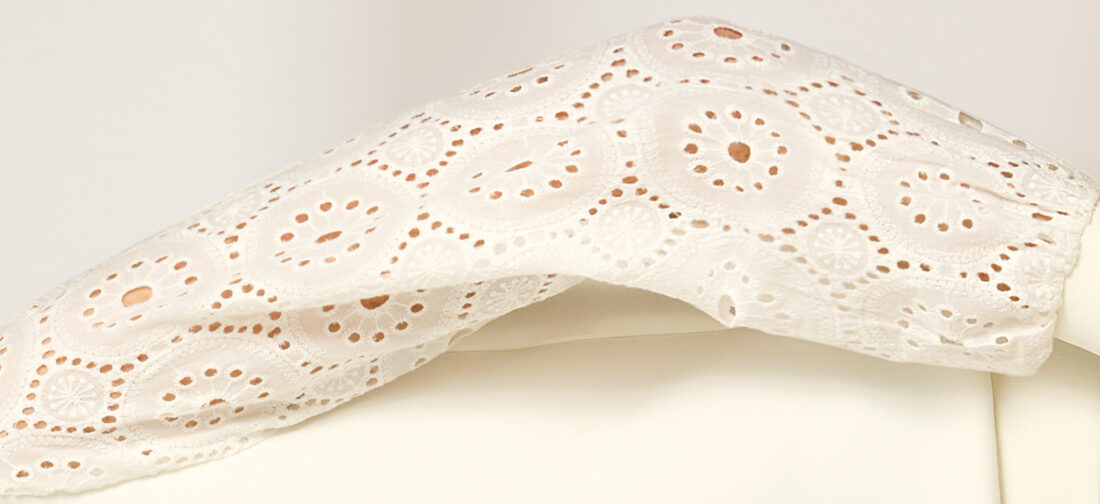
Ever seen a piece of fabric that just whispers elegance? Chances are, you’ve caught a glimpse of the captivating charm of Broderie Anglaise. This isn't just any old embroidery; it's a special kind, known for its delicate, openwork designs created by removing threads and then surrounding the resulting holes with embroidery stitches. From flowing summer dresses to dainty home linens, Broderie Anglaise has a knack for adding a touch of sweet sophistication. So, let's dive into the fascinating story and intricate details of this beloved textile art.
We truly hope you find inspiration throughout our latest collection and that Cotswold Collections can continue to provide classic, elegant women's clothing that lasts a lifetime. Enjoy reading? Let us know in the comments block below… See what our customers have to say about Cotswold Collections on our Trustpilot >> Follow us on Facebook here >> Tweet us on X >> View our Instagram page >> For more interesting updates and special offers, sign up for our email newsletters here >>
What Exactly is Broderie Anglaise? Defining the Delicate Craft
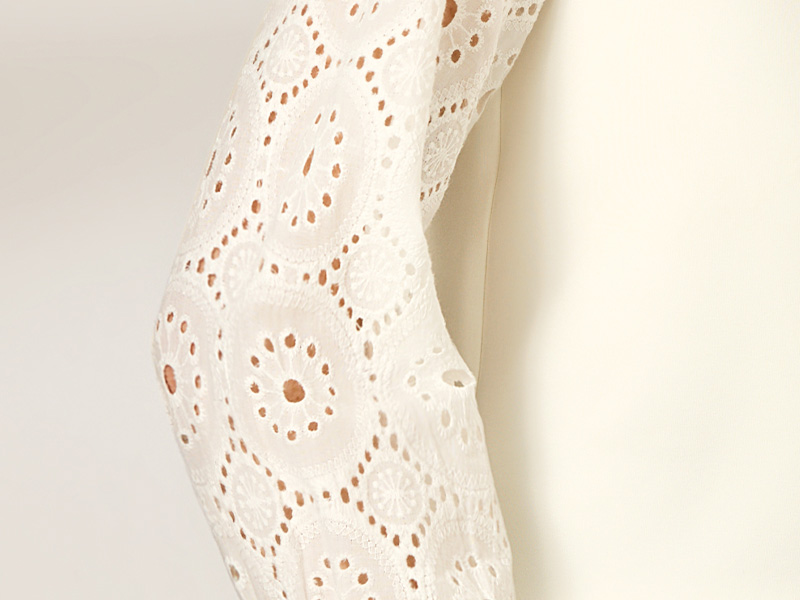
At its heart, Broderie Anglaise is a whitework embroidery technique. What sets it apart, though, is its signature style of creating patterns through pierced holes, often called eyelets. They're carefully crafted and then outlined with stitches, usually a satin stitch, to give a clean and defined edge.
Key Characteristics: Pierced Holes, Scalloped Edges, and Embroidery
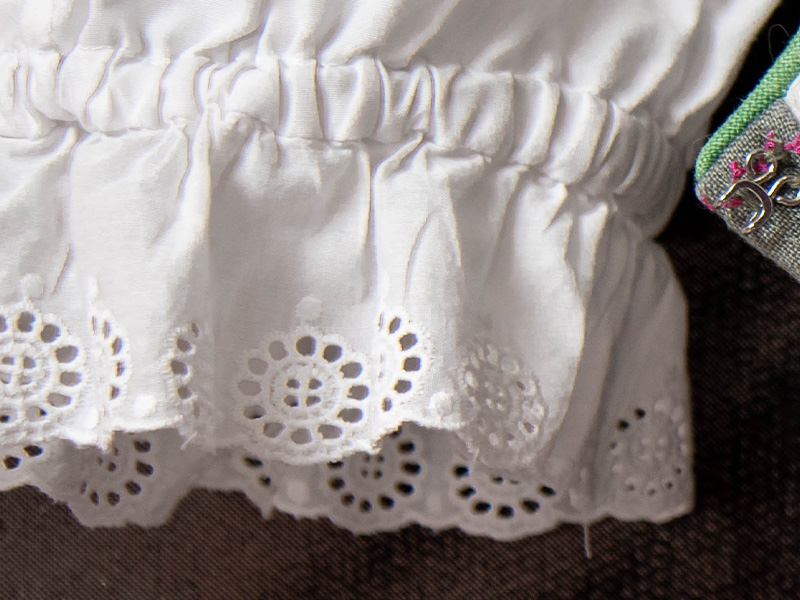
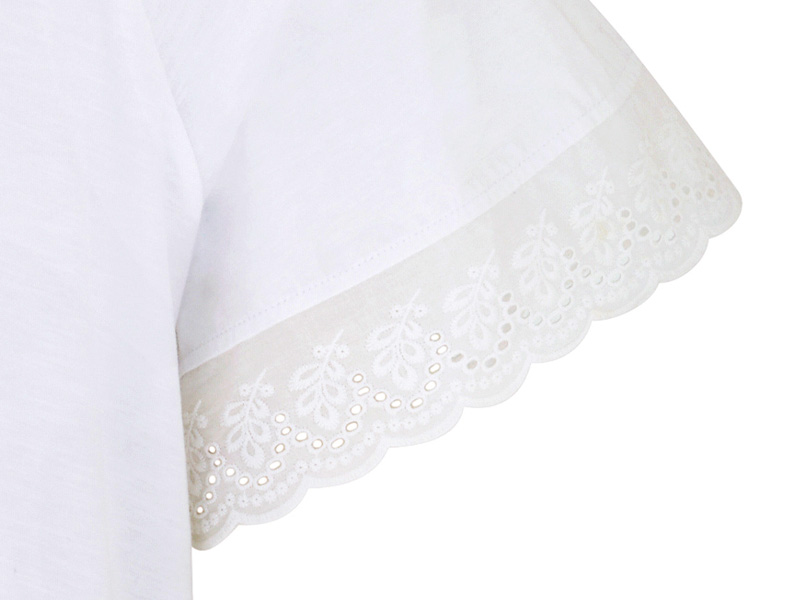
Around little cut-out areas, the embroiderer meticulously stitches, reinforcing the edges and creating a decorative element. Common motifs include floral designs, leaves, and geometric shapes, often finished with scalloped edges that add to its pretty, almost lacy feel. You'll often see a combination of these pierced eyelets with other embroidery stitches, adding texture and depth to the design.Distinguishing Broderie Anglaise from Other Types of Embroidery
While other embroidery styles might use various stitches to create solid or outlined shapes, Broderie Anglaise's defining feature is the openwork created by these deliberate holes. Unlike, say, crewel embroidery which uses wool threads for often pictorial designs, or cross-stitch which forms images with tiny 'x's, Broderie Anglaise is all about the interplay between the fabric and the created spaces within it. It's this airy, light quality that makes it so distinctive.A Glimpse into History: The Origins and Evolution of Broderie Anglaise
To really appreciate this technique, it's worth taking a little trip back in time.Tracing its Roots: From 16th Century Origins to Victorian Popularity
Interestingly, despite its name suggesting English origins, some believe the technique actually originated in Eastern Europe in the 16th century. However, it was in 19th-century England that it really took off, particularly in Bedfordshire, where it became significant within the cottage industry. Back then, it was often used to embellish baby clothes and lingerie, giving them that delicate, almost heirloom quality. The Victorians, with their love for intricate details and white fabrics, absolutely adored it, and that’s likely how it got its "English embroidery" nickname.
Global Spread and Adaptation of the Technique
As time went on, Broderie Anglaise wasn't content to stay put in England. It travelled the globe, and different cultures embraced and sometimes adapted the style. You might find variations in the motifs used, reflecting local artistic traditions. But the core element – the pierced and stitched eyelets – remained a constant, a testament to the enduring appeal of this lovely technique.The Intricate Process: How Broderie Anglaise is Created
Ever wondered how those delicate designs actually come to life? It’s a process that requires a good bit of skill and patience.Materials and Tools Commonly Used in Broderie Anglaise
To get started with Broderie Anglaise, you wouldn't need a whole lot of expensive equipment, which is part of its charm. You’d typically need a tightly woven fabric, often linen or cotton, embroidery threads (usually cotton as well), embroidery needles, small sharp scissors (crucial for making those clean cuts!), and an embroidery hoop to keep the fabric taut.Step-by-Step Breakdown of the Embroidery Techniques
The process usually begins with transferring a design onto the fabric. Then comes the exciting part – creating the eyelets. This involves piercing the fabric (either before or after some initial stitching), and then carefully stitching around the edges of the hole. The satin stitch is a go-to for this, as it creates a smooth, raised border. Beyond the eyelets, other stitches like stem stitch or running stitch might be used to add further details to the overall design, connecting the eyelets and creating flowing patterns. It's a real labour of love, with each tiny stitch contributing to the final beautiful piece.
Broderie Anglaise in Fashion: A Timeless Style
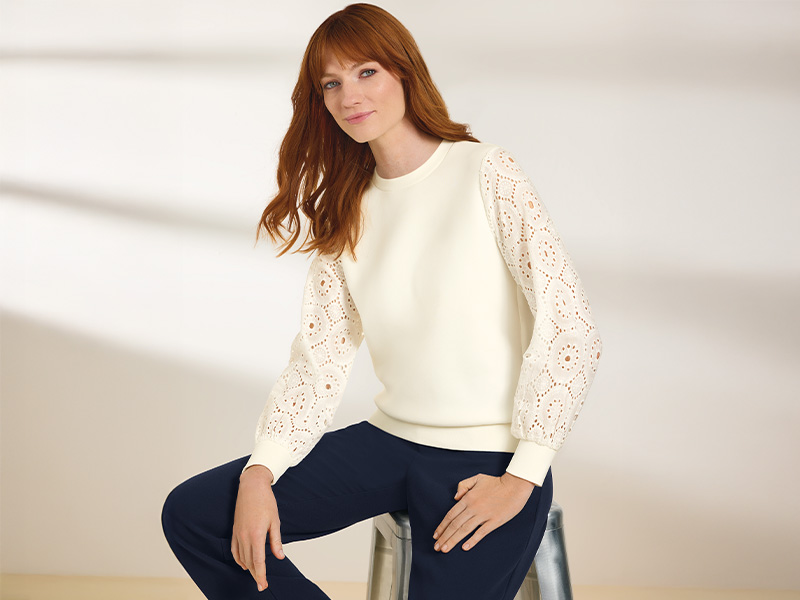
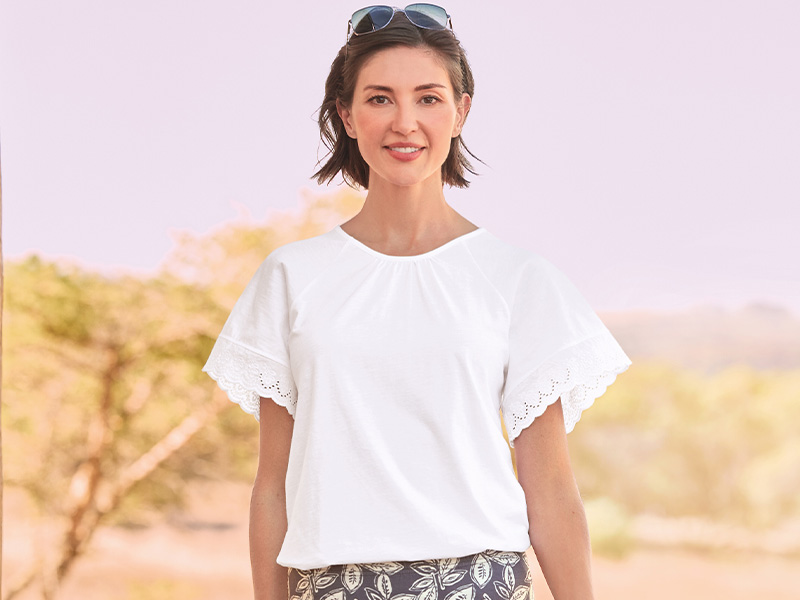
From the runways of high fashion to your favourite summer top, Broderie Anglaise has proven its staying power in the world of clothes.From Classic White Dresses to Contemporary Interpretations
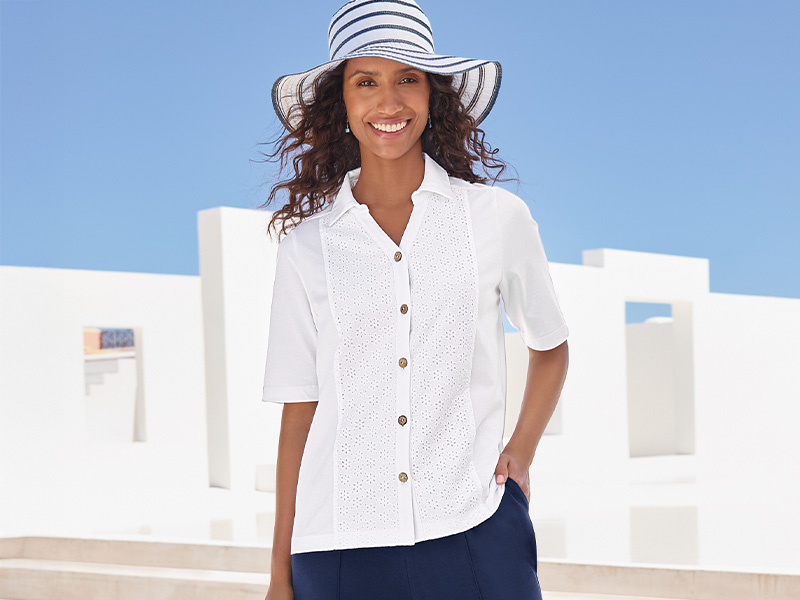
Think of those quintessential summer dresses – light, airy, and often adorned with delicate details. It just screams sunshine and warm breezes, doesn't it? But it's not just about the classics. Designers today are finding fresh and exciting ways to incorporate this technique, from subtle trims on blouses to bold panels on skirts.The Versatility of Broderie Anglaise in Modern Apparel
What's so great about Broderie Anglaise is its versatility. It can be sweet and feminine, but it can also add a touch of texture and interest to more contemporary or even slightly edgy styles.
Broderie Anglaise Beyond Clothing: Home Decor and Crafts
The beauty of those pierced patterns isn't limited to what we wear, it can bring a touch of elegance to our living spaces too.Adding Elegance to Linens, Curtains, and Other Home Furnishings
Think about crisp white bed linens with a delicate border, or light filtering through curtains adorned with its intricate patterns. It adds a subtle but definite touch of sophistication to any room. Tablecloths, napkins, even cushion covers can be elevated with this timeless technique.Inspiring DIY Projects Using Broderie Anglaise Elements
For the crafty folks out there, Broderie Anglaise can be a wonderful element to incorporate into DIY projects. Imagine adding a Broderie Anglaise trim to a plain tote bag or using small pieces of it to embellish handmade cards. The possibilities are as endless as your imagination!
Caring for Your Broderie Anglaise: Tips for Longevity
Because of its delicate nature, a little extra care can go a long way in keeping your Broderie Anglaise pieces looking their best.Gentle Washing and Storage Recommendations
When it comes to washing, hand washing is often the gentlest approach. If you do use a machine, opt for a delicate cycle and a mild detergent. It's also a good idea to protect the item in a mesh laundry bag. When storing, make sure the pieces are clean and dry, and avoid folding them in a way that might stress the embroidered areas.Repairing Delicate Broderie Anglaise Pieces
Accidents happen, and sometimes those delicate threads might snag. If you find a loose thread, resist the urge to pull it! Instead, try to gently coax it back into place with a needle. For more significant damage, seeking the help of a textile repair specialist might be the best bet to preserve the beauty of the piece.The Enduring Appeal: Why Broderie Anglaise Remains Beloved Today
So, why does Broderie Anglaise continue to capture our hearts, generation after generation?Its Connection to Heritage and Craftsmanship
There's something inherently special about handcrafted items. Broderie Anglaise carries with it a sense of tradition and the skill of the artisan. Each piece tells a story of careful work and attention to detail, connecting us to a rich heritage of needlecraft.The Timelessness and Delicate Beauty of the Style
Ultimately, it's the sheer beauty of Broderie Anglaise that ensures its enduring appeal. Its delicate patterns and the interplay of solid fabric and openwork create a look that is both elegant and timeless. It's a style that feels fresh and lovely no matter the current trends.
Frequently Asked Questions (FAQs)
What does "Broderie Anglaise" literally mean? It literally translates from French as "English embroidery." What are the key characteristics of Broderie Anglaise? Its defining features are pierced holes (eyelets) outlined with embroidery stitches, often combined with other decorative stitches and finished with scalloped edges. Is Broderie Anglaise difficult to learn? Like any craft, it takes practice, but the basic techniques aren't overly complicated. Starting with simpler designs is a good approach. What types of fabric are best for Broderie Anglaise? Tightly woven fabrics like linen or cotton, work well as they provide a stable base for the embroidery. How should I care for garments with Broderie Anglaise? Gentle hand washing or a delicate machine cycle is recommended. Avoid harsh chemicals and excessive wringing. Where can I buy items featuring Broderie Anglaise? You can find them in many online clothing stores (such as Cotswold Collections), home decor shops and from independent artisans.Conclusion: The Lasting Allure of Delicate Details
From its historical roots to its contemporary resurgence, Broderie Anglaise continues to enchant with its delicate beauty and intricate detail. It's more than just a technique; it's a celebration of craftsmanship and timeless elegance. Whether adorning a summer dress or adding a touch of charm to home linens, the pierced and stitched patterns of Broderie Anglaise bring a unique and delightful quality to the everyday. It's a style that has stood the test of time, and its enduring appeal suggests it will continue to bring a touch of airy grace to our world for many years to come.We truly hope you find inspiration throughout our latest collection and that Cotswold Collections can continue to provide classic, elegant women's clothing that lasts a lifetime. Enjoy reading? Let us know in the comments block below… See what our customers have to say about Cotswold Collections on our Trustpilot >> Follow us on Facebook here >> Tweet us on X >> View our Instagram page >> For more interesting updates and special offers, sign up for our email newsletters here >>
Share this article:
Add Comment