
You have requested to switch to our Cotswold Collections IE store.
Do you want to continue?
Knitwear Care Tips: How to Keep Your Favourite Pieces in Perfect Condition
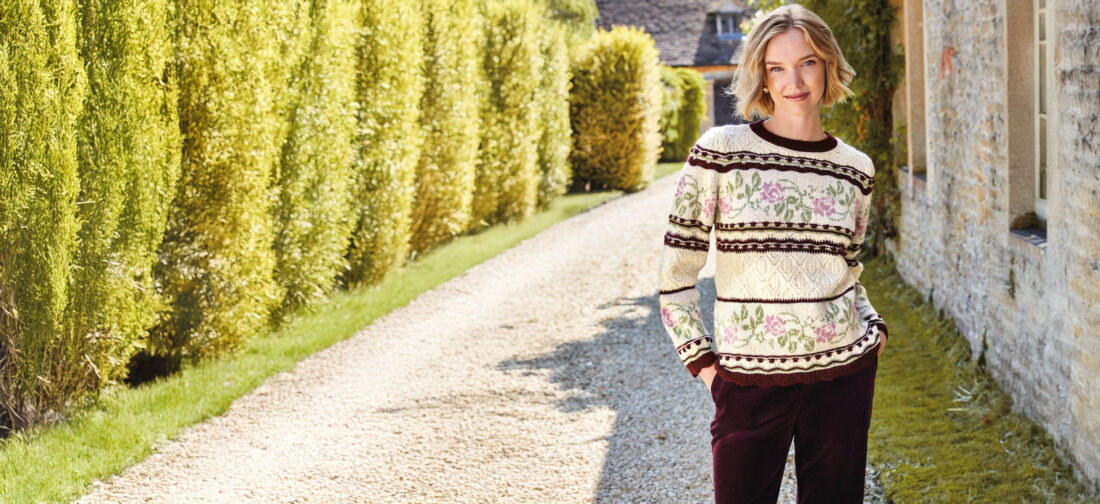
There’s nothing quite like slipping into a quality piece of knitwear. But if you’ve ever reached for your favourite knitwear only to find it covered in pills, stretched out, or riddled with tiny holes, you know how frustrating it can be. Knitwear is delicate, and taking proper care of it ensures it stays in top shape season after season.
In this guide, we'll share expert knitwear care tips to help you maintain your jumpers, cardigans, and scarves so they look and feel brand new. From washing and storage, to dealing with common problems like pilling, moths, and stretching, this journal shares exclusive advice on how to prevent and deal with this.
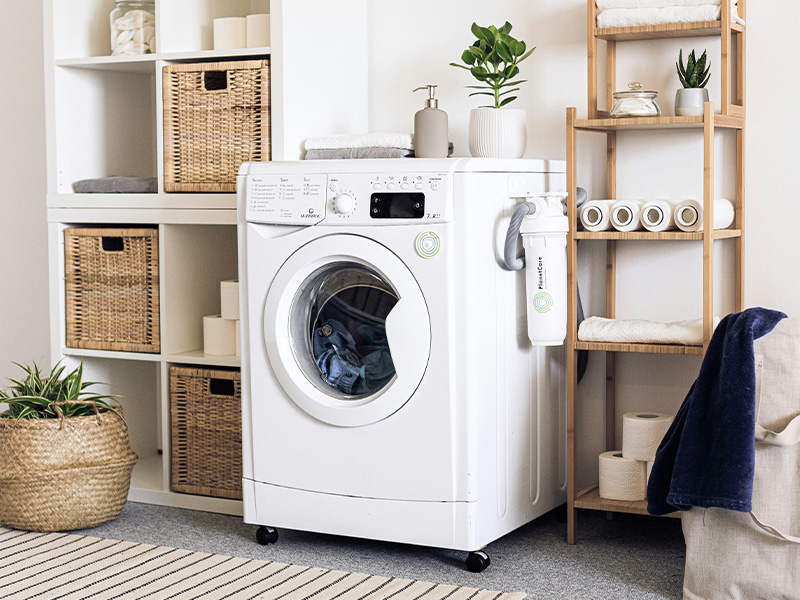 While some knitwear can handle a gentle machine wash, hand washing is usually the safest option. For specific washing instructions for your knitwear, please follow the information displayed on the care label.
Hand washing: Less stress on fibres, prevents stretching and pilling.
Machine washing: More convenient, but requires a mesh laundry bag and a gentle cycle.
While some knitwear can handle a gentle machine wash, hand washing is usually the safest option. For specific washing instructions for your knitwear, please follow the information displayed on the care label.
Hand washing: Less stress on fibres, prevents stretching and pilling.
Machine washing: More convenient, but requires a mesh laundry bag and a gentle cycle.
We truly hope you find inspiration throughout our latest collection and that Cotswold Collections can continue to provide classic, elegant women's clothing that lasts a lifetime. Have you taken a glance at our latest yet? Let us know in the comments block below… See what our customers have to say about Cotswold Collections on our Trustpilot >> Follow us on Facebook here >> Tweet us on X >> View our Instagram page >> For more interesting updates and special offers, sign up for our email newsletters here >>
Why Knitwear Needs Special Care
Understanding Knitwear Fabrics and Their Sensitivities
Quality knitwear from Cotswold Collections is typically made from natural fibres like wool, cashmere, and cotton or blended with synthetics like acrylic and polyester. These materials are more delicate than woven fabrics and require special handling to prevent damage.Why Quality Knitwear is More Prone to Wear and Tear
Ironically, high-quality knitwear made from natural fibres tends to suffer the most from issues like pilling, stretching, and moth damage. Natural fibres have shorter, finer strands that are more susceptible to friction and environmental stressors. Unlike synthetic fabrics, which are often chemically treated to be more resistant, luxurious wools and cashmeres rely on their soft, natural texture—which, while beautiful, makes them more delicate.Washing Your Knitwear the Right Way
Hand Washing vs. Machine Washing: Pros and Cons
While some knitwear can handle a gentle machine wash, hand washing is usually the safest option. For specific washing instructions for your knitwear, please follow the information displayed on the care label.
Hand washing: Less stress on fibres, prevents stretching and pilling.
Machine washing: More convenient, but requires a mesh laundry bag and a gentle cycle.
Choosing the Right Detergent and Water Temperature:
- Use mild, wool-safe detergent.
- Cold or lukewarm water helps prevent shrinking.
Rinsing and Drying Techniques for Long-Lasting Knitwear:
- Never wring out knitwear—gently press out excess water.
- Lay flat on a towel to air dry to maintain shape.
Dealing with Common Knitwear Problems
How to Prevent and Remove Pilling
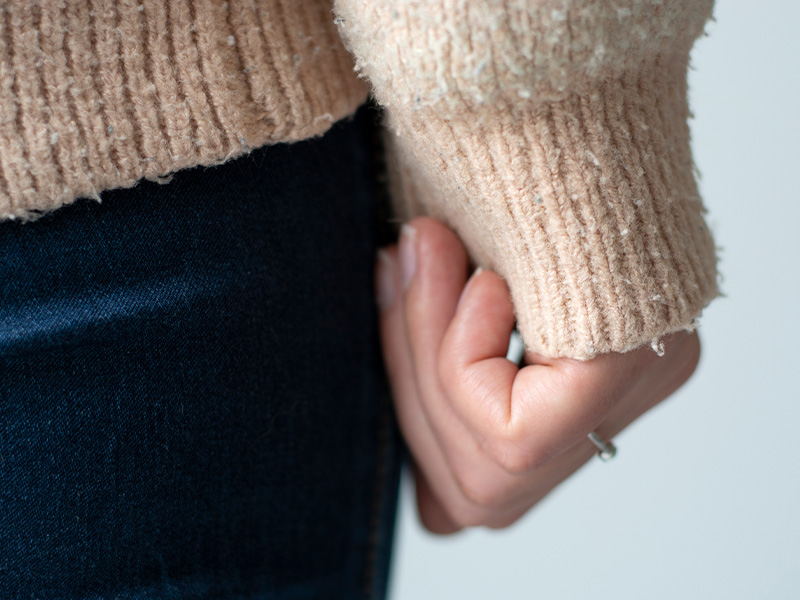
Pilling occurs when fibres tangle and form tiny balls due to friction. High-quality knitwear pills more because natural fibres are softer and lack the chemical coatings that keep synthetic materials intact.- Turn knitwear inside out before washing.
- Avoid wearing backpacks or rough-textured accessories over knitwear.
- Store folded rather than hung to reduce fibre stress.
How to Protect Knitwear from Moth Damage
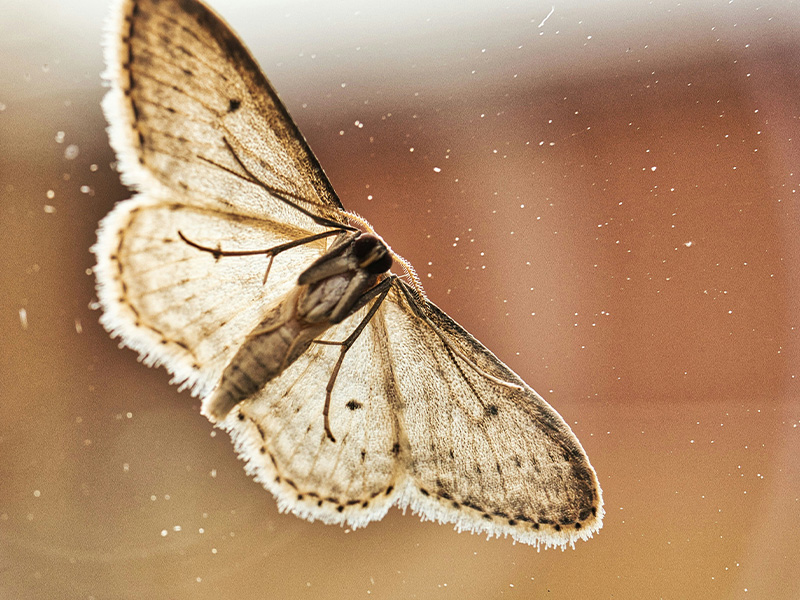
Moths are naturally attracted to high-quality fibres like wool and cashmere because they contain keratin, a protein that larvae feed on. Lower-quality synthetic blends don’t suffer from this as much.- Store items in airtight bags or containers with cedar blocks or lavender sachets.
- Regularly air out your knitwear and keep storage areas dry.
- Clean knitwear before storing—moths are more attracted to body oils and food stains.
How to Prevent and Fix Stretched-Out Knitwear
Stretching occurs when knit fibres are pulled out of shape. Natural fibres are more elastic than synthetic ones, meaning high-quality knitwear is more prone to stretching over time.- Avoid hanging knitwear, as gravity can distort its shape.
- Lay knitwear flat to dry instead of hanging them.
- Fold along natural seams to retain their shape.
- If stretching has already occurred, dampen the stretched area and reshape it gently while drying flat.
FAQs on Knitwear Care
How often should I wash my knitwear? Wash after every 3-5 wears unless stained or grubby. Can I use fabric softener on knitwear? This is not recommended as it can coat fibres and reduce breathability. What's the best way to remove wrinkles from knitwear? Use a steamer instead of an iron. Why does my knitwear shrink after washing? Hot water or agitation causes wool fibres to contract. How do I stop my knitwear from shedding? Turn garments inside out when washing and use a fabric comb. Are there professional services for knitwear maintenance? Yes, dry cleaners often offer professional wool care services. Enquire with your local dry cleaners to confirm.Conclusion: Investing in Long-Lasting Knitwear
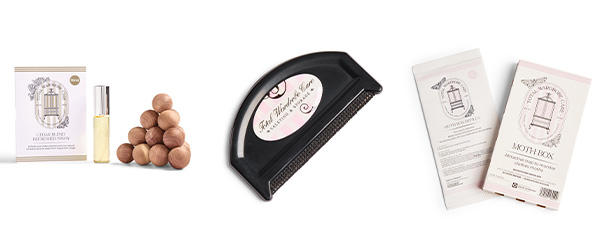
Caring for knitwear doesn’t have to be a chore. With the right techniques, you can keep your favourite knits soft, stylish, and free from damage. By washing carefully, storing properly, and addressing common issues like moths, pilling and stretching, your knitwear will stay in top condition for years to come. Treat your knitwear well, and they’ll return the favour with warmth and comfort every season! Get your hands on exclusive knitwear care here at Cotswold Collections... Including out Cedarwood Ball Set, Knitwear Comb, Moth Box and Moth Box Refills:
We truly hope you find inspiration throughout our latest collection and that Cotswold Collections can continue to provide classic, elegant women's clothing that lasts a lifetime. Have you taken a glance at our latest yet? Let us know in the comments block below… See what our customers have to say about Cotswold Collections on our Trustpilot >> Follow us on Facebook here >> Tweet us on X >> View our Instagram page >> For more interesting updates and special offers, sign up for our email newsletters here >>
Share this article:
Add Comment