
You have requested to switch to our Cotswold Collections IE store.
Do you want to continue?
The Art of Pleating
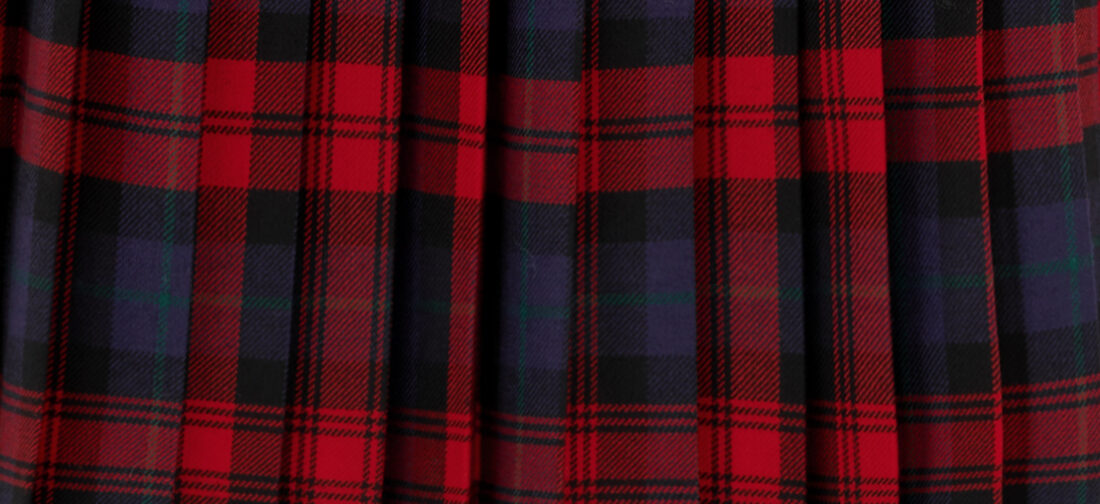
As you look into your wardrobe, browse through an online catalogue, or flip through items on a rail, you may not know the fascinating history of the piece you have selected.
Each garment has its own unique story, often involving individuals who have dedicated their lives to improve its existence. For example, the name origin of tweed derives from a misunderstanding by a London clerk transcribing the Scottish word ‘tweel’. Pleated fabric is among these items of interest, as its process is as intricate as its origin.
The History of Pleating
Pleats are a wardrobe staple, whether in the form of a skirt, blouse, dress, or scarf. In the UK, there is a fundamental link between Scottish kilts and pleats. However, the history of the design actually dates back to ancient Egypt.
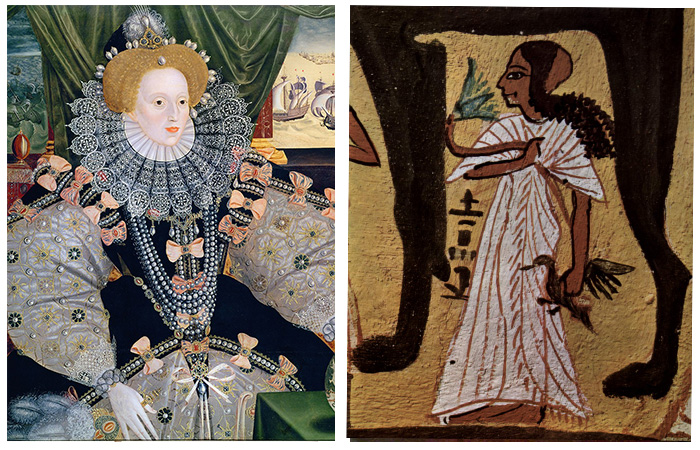
Before Anno Domini (AD), the Egyptians used the technique to decorate the rulers’ tunics, and pieces were only created from natural fibres such as silk, cotton, and wool. Pleating was done by hand, but once the garment was washed the pleats disappeared, meaning the process had to be done all over again. Because of the time-consuming process and the luxurious materials used, pleated clothing was a symbol of power and wealth.
They remained an emblem of status into the Elizabethan Era, very much representative of the period; being seen in portraits of Queen Elizabeth I and other nobles who were adorned in pleated collars known as a Ruff.
The existence of pleats extends beyond the attire of royalty in Egypt and the UK. The fustanella, similar to the Scottish kilt, is a piece worn by the Greek National Guard for military and ceremonial occasions. Its origins date back to the 3rd century BC, evolving into its modern form from the later part of the Byzantine Empire. It is also theorised that the Albanians reintroduced the wear to the Greeks in the 14th century.

The Now: Modern Pleating
Today, our pleats remain in place wash after wash due to the modernisation of fabrics as well as the invention of heat treatments. The ‘Permanent Pleat’ was developed after the Second World War to exploit the thermoplastic nature of the newly invented nylon and polyesters. Pleating machines have also simplified the process and enabled mass production, although there are still many pleaters who create each pleat by hand.
The Process of Pleating
There are three main processes for creating pleats: hand, pattern, and machine pleating.
Each method enables different shapes to be created, as well as varying volumes, textures, colours, and designs. The range of shades and patterns is wide, and the final look is heavily influenced by how the material is manipulated; for example, a piece of fabric may appear too striped, dark, or light once pleated. This occurs because the pleating process highlights aspects of the pattern within the fabric, which is why the material and process are carefully chosen to ensure the optimum result.
Here at Cotswold Collections, many of our pieces tend to be designed with ‘fine pleats’ such as the accordion or sunray pleat. Although these designs require a large amount of cloth in their production, the final piece is classic, elegant, and provides wonderful movement when worn.
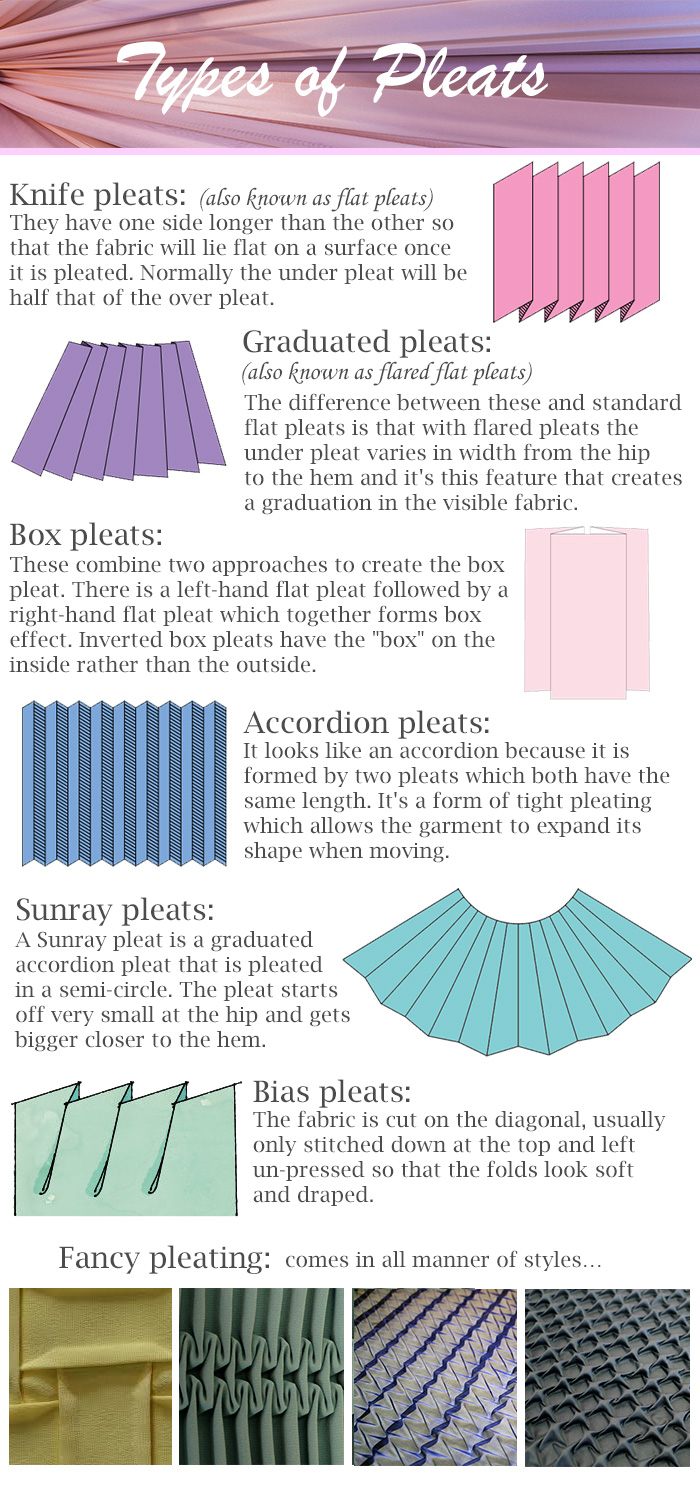
Take a look at our current pleat offering:

Our Check Wool Woven Skirt is fantastic for winter wear and a perfect example of the knife pleat. Discover the qualities of wool >>
For a more contemporary take on the pleat, our Printed Skirt is beautifully flattering. It can be worn with the complementary Turtleneck Jumper for a gorgeous outfit.
Our fabulous Sunray Skirt adds versatility to your wardrobe, with each pleat beautifully contracted to create elegant fluidity. Complete the look by investing in our truly special Heritage Jacket.
Which pleat pattern is your favourite? Let us know in the comments.
We truly hope you find inspiration throughout our latest collection and that Cotswold Collections can continue to provide classic, elegant women's clothing that lasts a lifetime.
See what our customers have to say about Cotswold Collections on our Trustpilot >>
For more interesting updates and special offers, sign up for our email newsletters here >>
Share this article:
13 Comments
Add Comment

Thank you for your lovely comment, it's wonderful to hear that pleats have been a part of your life and wardrobe from a young age.
Best wishes, The Cotswold Collections team
Thank you for your lovely comment, it's wonderful to hear that pleats have been a part of your life and wardrobe from a young age.
Best wishes, The Cotswold Collections team